2026-10-07 ·
Roof Repair or Roof Replacement? Signs Your New Jersey Roof Is Done
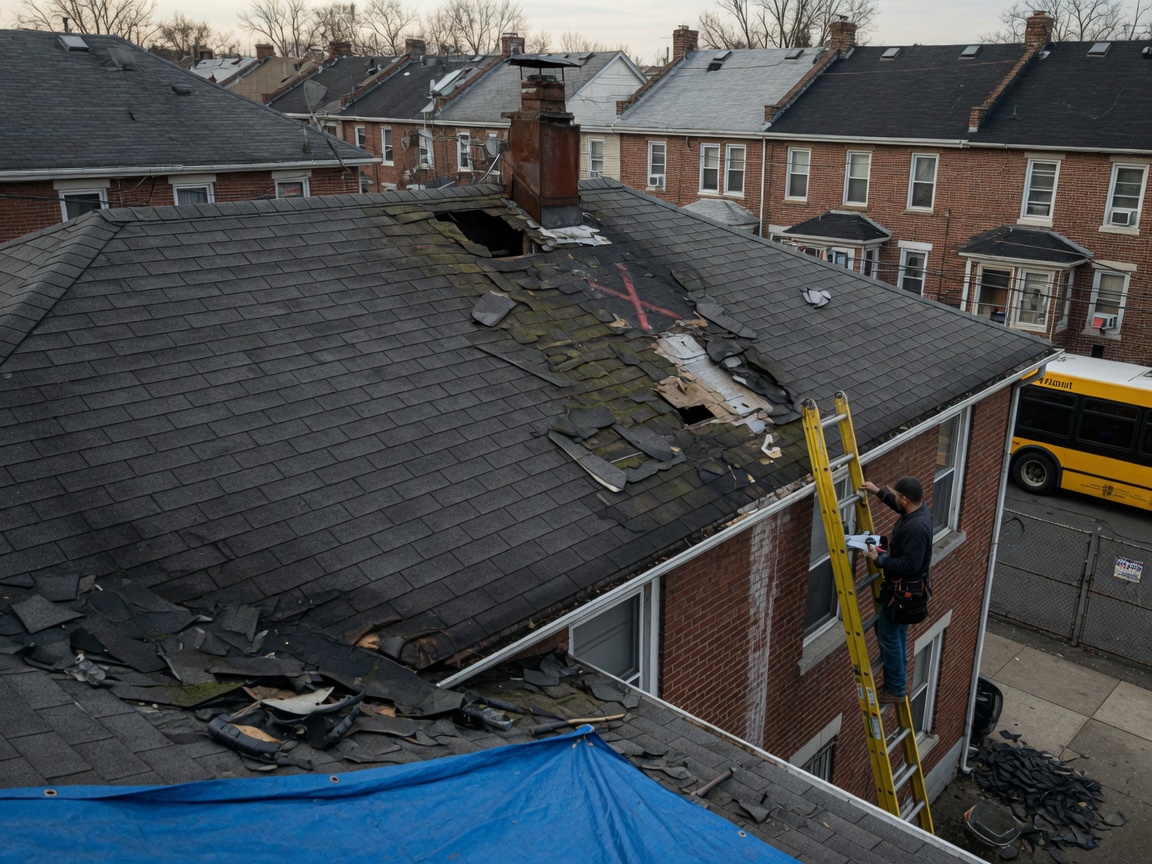
Every roofer in New Jersey hears the same question several times a week: can this be fixed, or do I need a new roof? The honest answer depends less on the leak you can see than on the condition of everything around it. A single failed pipe boot on a ten-year-old roof is a repair. The same leak on a roof that is curling, bare in places and already two layers thick is a sign of something bigger.
Signs a Repair Will Still Do the Job
- The damage is in one place: a few shingles torn off in a wind storm, a cracked rubber boot around a plumbing vent, a small section of flashing pulled away from a wall.
- The rest of the shingles still lie flat, hold their granules and bend without cracking.
- The roof is one layer, and the deck feels solid underfoot.
- The house has had no other roof leaks in the last few years.
In those cases a repair is the sensible spend. See roof repair for what that involves.
Signs the Roof Is Done
- Leaks in more than one place, or leaks that come back after they have been fixed. That usually means the underlayment beneath the shingles has failed, not just the spot you can see.
- Curling, cupping or cracked shingles across large areas, especially on the south- and west-facing slopes that take the most summer sun.
- Bald patches and granules in the gutters. Granules protect the asphalt from UV; once they wash off, the shingles age quickly.
- Two or more layers already on the roof. The residential code New Jersey enforces does not allow a third layer, so any significant work means a full tear-off anyway.
- A soft or spongy deck, or daylight showing through the boards in the attic.
- Stained or damp roof sheathing in the attic, or mold on the underside of the deck, which points to long-term moisture from leaks or poor ventilation.
- Age. Asphalt shingle roofs commonly last somewhere around 20 to 25 years, less on a poorly ventilated attic. If yours is in that range and showing the signs above, repairs tend to buy months, not years.
Why New Jersey Roofs Wear the Way They Do
Much of the housing in North and Central Jersey was built before 1980, and a lot of it has been re-covered at least once. Layered roofs hold heat and moisture, and they hide what is happening to the deck. Add nor'easters that drive rain sideways under the shingle edges, and winters where snow melts and refreezes at the eaves, and the weak points show up first at the valleys, the walls and the edges. Those are the places to look when you are judging how much life a roof has left.
What Each Option Costs
Small repairs, such as replacing wind-damaged shingles or re-flashing a short section of wall, usually run a few hundred dollars, with larger repairs involving decking running higher. A full asphalt shingle replacement on a typical New Jersey home usually lands between $8,000 and $15,000, depending on size, pitch, the number of layers and how much decking needs replacing. If repair quotes keep stacking up on a roof that is already near the end of its life, the money is usually better put toward a roof replacement.
Permits
Repairing or replacing the roof covering on a detached one- or two-family house is ordinary maintenance under New Jersey's Uniform Construction Code (N.J.A.C. 5:23-2.7), so most homeowners do not need a permit for either option. Attached homes, buildings with three or more units, structural repairs and some historic districts are the exceptions, so check with your municipal construction office if that describes your house.
Getting a Straight Answer
Ask any roofer you call to show you photos of what they found, on the roof and in the attic, and to explain why they are recommending repair or replacement. If the photos show isolated damage on a sound roof, you should be hearing about a repair. For a free inspection with photos and a written recommendation, call Colonial Roof Service at (877) 298-2340. If your gutters are also overflowing or pulling away, ask about gutter installation at the same visit.